
Insights

An Oil Free Vacuum Pump is one of the most versatile pieces of laboratory equipment found in research, academic, industrial, and quality control laboratories. Whether you are performing vacuum filtration, supporting a rotary evaporator, or operating a drying system, selecting the correct vacuum source can improve efficiency while reducing maintenance requirements. For laboratories across South Africa, an oil-free design offers a practical and affordable solution for many routine applications.

Water Baths remain one of the most widely used pieces of laboratory equipment across research, education, quality control, and industrial testing environments. Whether you need to incubate samples, warm reagents, prepare media, or maintain stable temperatures during experiments, selecting the correct water bath can improve workflow efficiency and experimental consistency.

Vortex Mixers remain one of the most widely used pieces of laboratory equipment in research, clinical, biotechnology, pharmaceutical, and industrial laboratories. While many scientists associate vortex mixing with quickly mixing a single microcentrifuge tube, modern Vortex Mixers now offer significantly more flexibility. As a result, laboratories across South Africa can select systems designed for individual tubes, multiple tubes, microplates, and even cell culture plates.
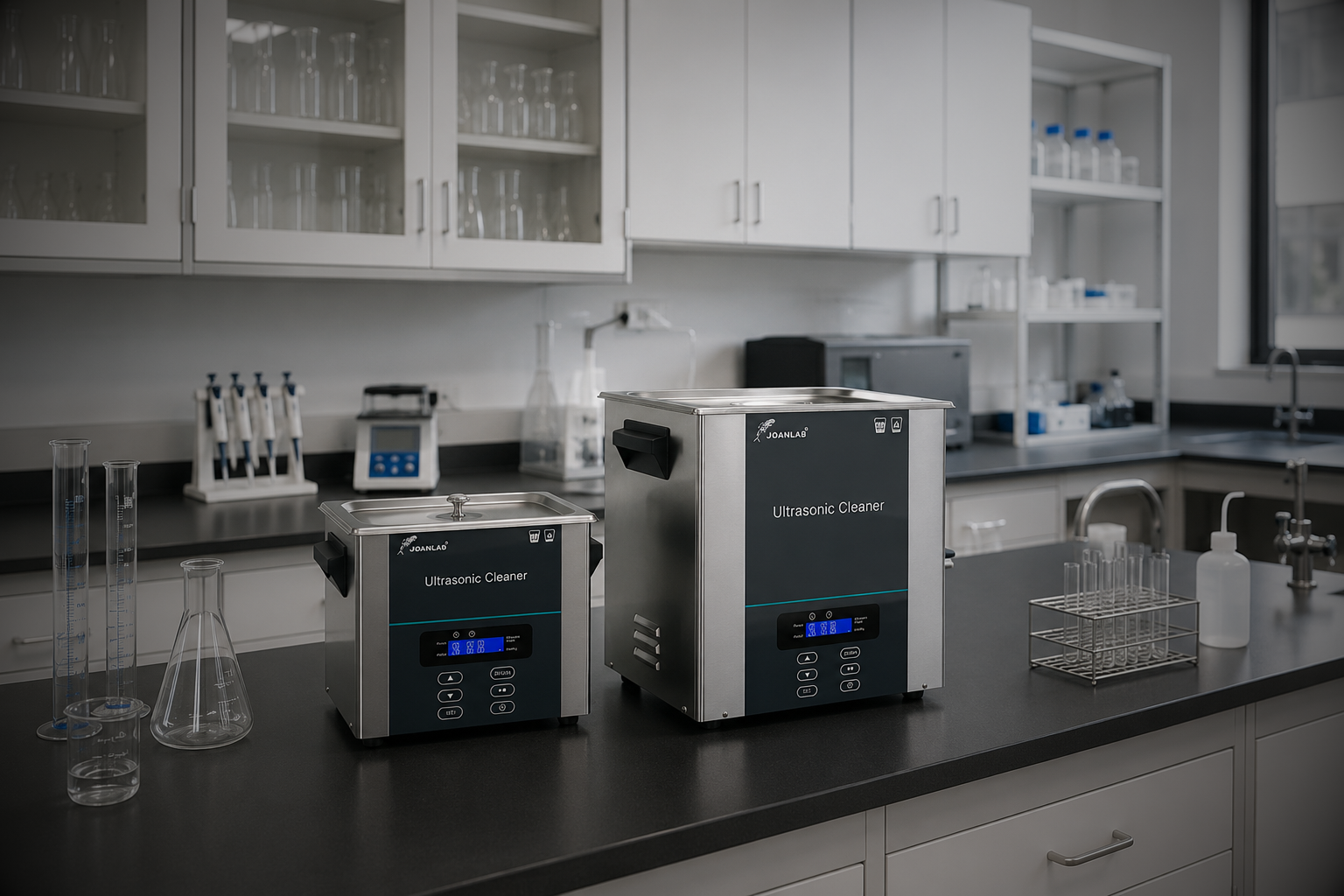
Ultrasonic Baths are widely used in research laboratories, universities, pharmaceutical facilities, quality control laboratories, and industrial testing environments. While many people associate them with cleaning laboratory equipment, their applications extend far beyond routine maintenance. They are also valuable tools for sample preparation, solvent degassing, particle dispersion, reagent dissolution, and ultrasonic-assisted extraction.

A Tube Roller, Vertical Rotating Tube Mixer, or Rotating Mixer can play an important role in sample preparation, incubation, and routine laboratory workflows. While these instruments all provide continuous mixing, each uses a different motion and is suited to different applications. Therefore, understanding these differences can help laboratories select the most appropriate solution for their workflow.
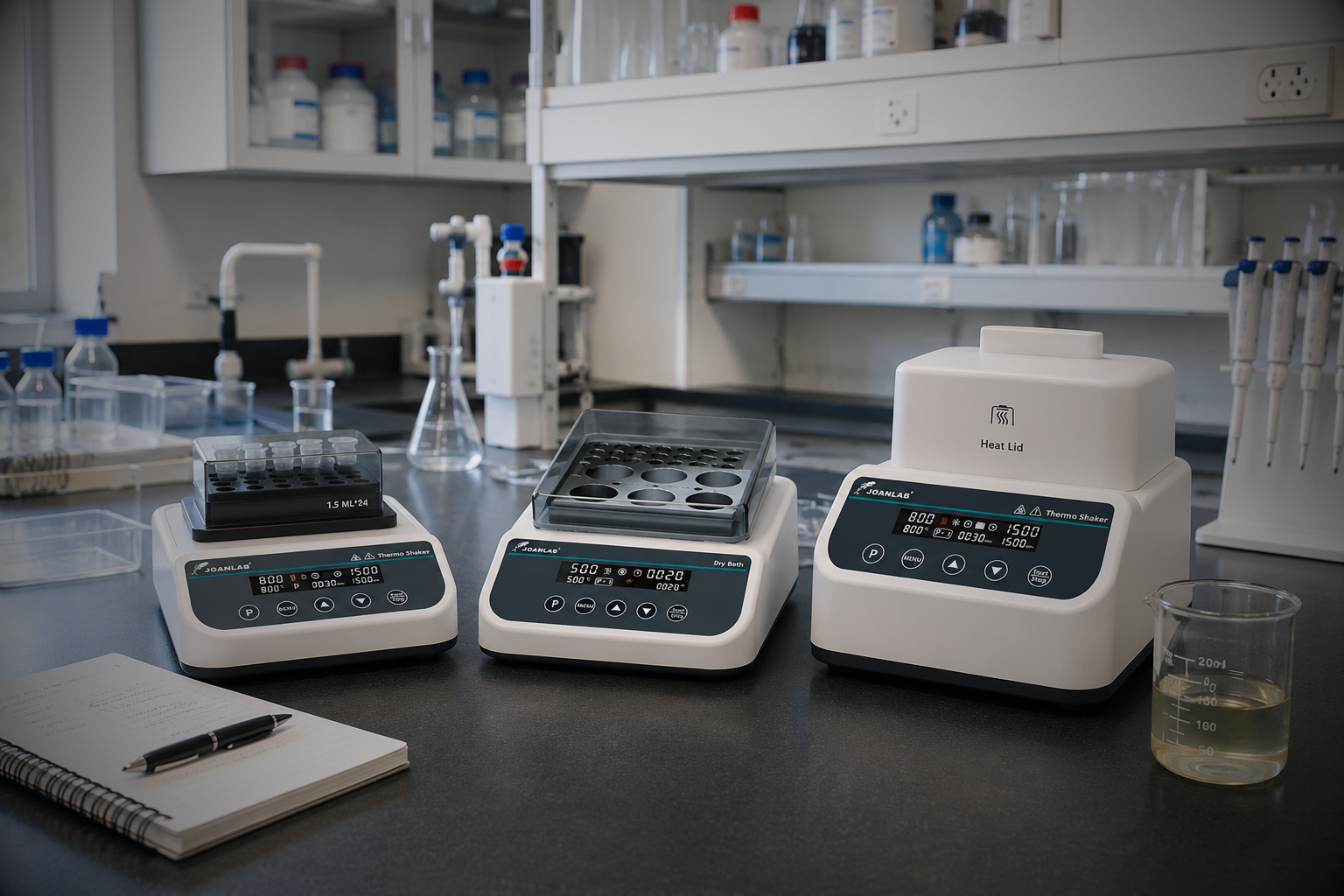
Dry Baths have become essential tools in molecular biology, clinical laboratories, microbiology facilities, and industrial testing environments. Unlike traditional water baths, Dry Baths provide controlled heating without the inconvenience of water handling, making them a practical solution for modern laboratory workflows in South Africa. Based on the attached cheat sheet, dry baths are commonly used for DNA/RNA preparation, enzyme reactions, PCR sample preparation, sample incubation, and protein denaturation workflows.