Analytical Balances play a critical role in modern laboratory environments where accurate and repeatable measurements are essential. Whether used in pharmaceutical research, chemical analysis, educational laboratories, or industrial quality control, these precision instruments help scientists achieve reliable weighing results for sensitive applications. In South Africa, laboratories increasingly require dependable and affordable laboratory equipment that combines high accuracy with practical usability.
This article explores how Analytical Balances work, the importance of weighing accuracy, key features to consider, and the applications where these laboratory balances are commonly used. To see Analytical Balances in operation and learn more about their features, applications, and weighing best practices, explore our laboratory equipment videos and educational content on our YouTube and LinkedIn channels.
What Is an Analytical Balance?
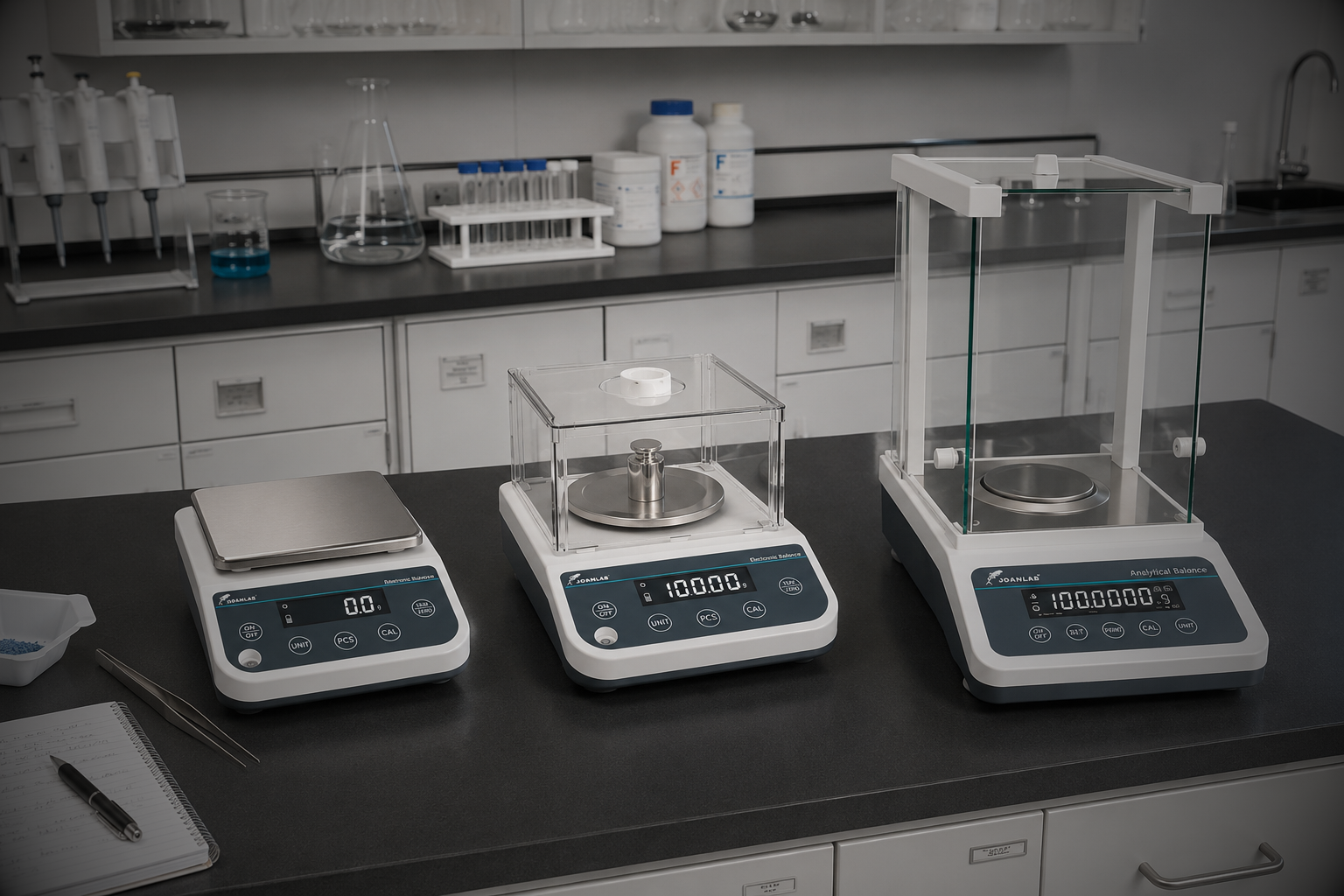
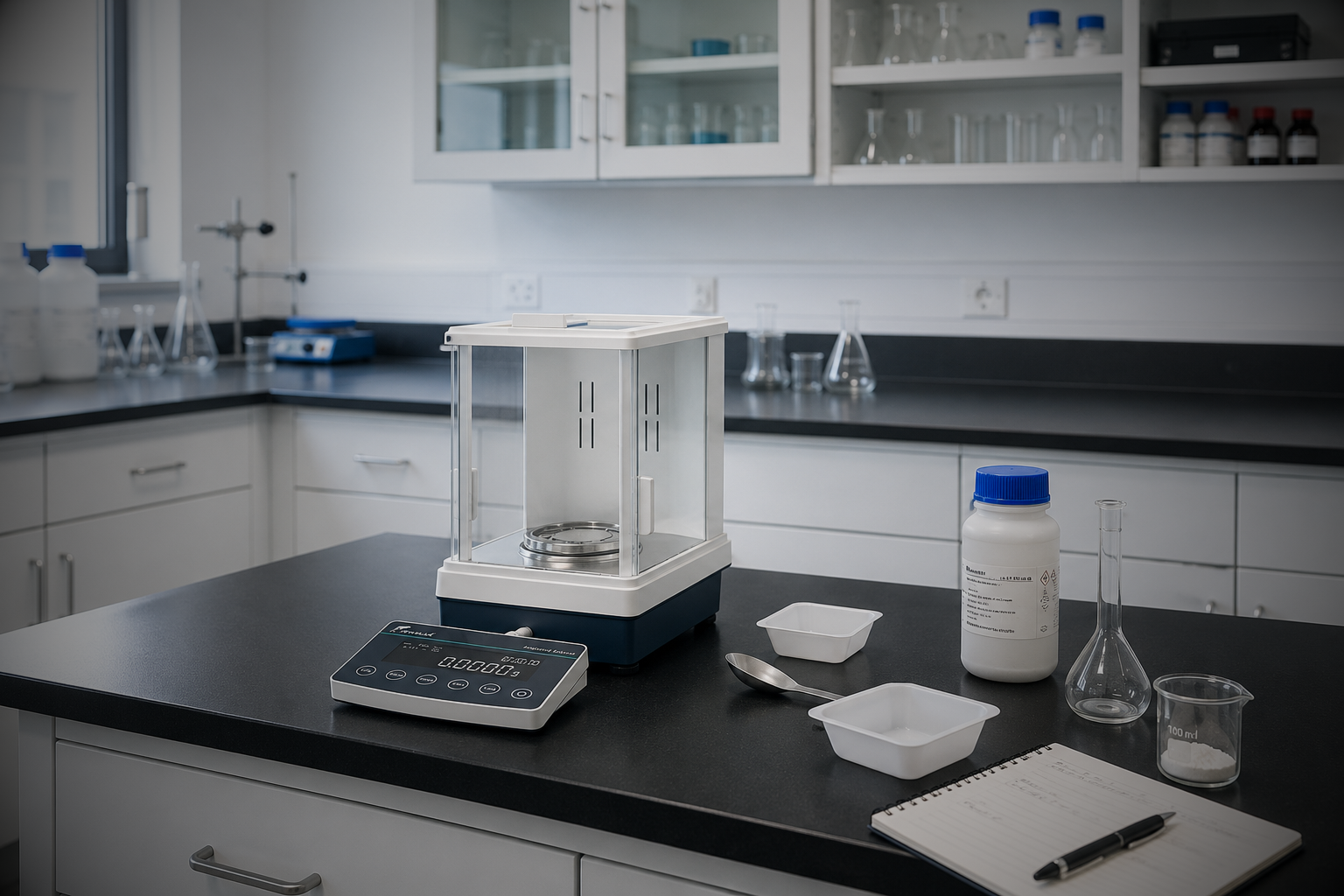
An Analytical Balance is a high-precision laboratory balance designed to measure very small masses with exceptional accuracy. Most analytical models provide readability down to 0.0001g (0.1mg), making them suitable for applications where even tiny measurement deviations can affect results.
Unlike standard laboratory scales, Analytical Balances are specifically engineered to reduce environmental influences such as vibration and airflow. As a result, they provide stable and highly accurate measurements for scientific and industrial applications.
Many laboratories also use 3 decimal place balances with 0.001g readability for less demanding applications. However, laboratories performing analytical chemistry, pharmaceutical formulation, or advanced research typically require a 4 decimal place balance for improved precision.
Why Accuracy Matters in Laboratory Weighing
Accurate weighing is essential in many laboratory procedures. Small measurement errors can affect:
- Chemical formulations
- Pharmaceutical preparations
- Research reproducibility
- Calibration procedures
- Quality control testing
- Sample preparation
For example, pharmaceutical laboratories often work with active compounds measured in milligrams. Therefore, a balance with high accuracy and weighing stability becomes critical for maintaining consistency and compliance.
In addition, universities and research facilities rely on accurate laboratory balances to ensure experimental data remains reliable and repeatable.
Electromagnetic Force Compensation Technology Explained
Most modern Analytical Balances use electromagnetic force compensation technology. This advanced weighing system measures mass by counteracting the load placed on the weighing pan using an electromagnetic force.
Compared to traditional mechanical systems, electromagnetic force compensation offers:
- Faster stabilization times
- Improved measurement accuracy
- Better repeatability
- Reduced mechanical wear
- Higher long-term reliability
Consequently, laboratories can achieve stable and consistent weighing performance even during frequent daily use.
The Importance of a Draft Shield
One of the most recognizable features of an Analytical Balance is the glass draft shield, sometimes called a windshield enclosure.
Because Analytical Balances can detect extremely small weight changes, even slight airflow from air conditioning systems, movement, or breathing can affect readings. The draft shield helps reduce these disturbances and improves weighing stability.
Many modern balances include:
- Slideable side windows
- Slideable top windows
- 360° glass protection
- Easy-access sample handling
As a result, laboratory users can work more efficiently while maintaining accurate measurements.
Internal Calibration vs External Calibration
Calibration ensures the balance maintains accurate measurement performance over time. Laboratories generally choose between internal calibration and external calibration depending on operational requirements.
Internal Calibration
Balances with internal calibration contain a built-in calibration mechanism that automatically verifies and adjusts accuracy. This option offers:
- Faster routine verification
- Reduced operator involvement
- Improved convenience
- Better consistency in busy laboratories
External Calibration
External calibration requires certified calibration weights supplied separately or included with the balance. Many laboratories prefer this method for:
- Validation procedures
- Controlled quality systems
- Periodic accuracy checks
- Regulatory compliance
Both calibration methods help maintain reliable laboratory performance and measurement confidence.
Common Features Found on Analytical Balances
Modern Analytical Balances often include a variety of practical laboratory functions designed to improve workflow efficiency and usability.
- Stainless Steel Top Pan
- Multiple Weighing Units
- RS232 Interface
- Percentage Weighing and Piece Counting
- Overload Protection
Applications of Analytical Balances
Analytical Balances are widely used across many industries and scientific fields in South Africa.
- Pharmaceutical Laboratories
- Research and Universities
- Industrial Laboratories
- Medical and Healthcare Laboratories
- Jewellery and Precious Metal Measurement
Choosing the Right Analytical Balance
When selecting an Analytical Balance, laboratories should consider:
- Required readability (0.1mg vs 0.001g)
- Sample size and capacity
- Calibration requirements
- Connectivity options
- Draft shield design
- Available laboratory space
- Regulatory requirements
Laboratories should also evaluate long-term reliability, local support availability, and ease of operation.
Why South African Laboratories Choose Vertex Analytical
Vertex Analytical supplies affordable laboratory equipment for scientific, educational, industrial, and research laboratories across South Africa. Our range of Analytical Balances combines practical functionality with dependable performance to support routine and advanced laboratory applications.
In addition, our Insights articles help users better understand laboratory techniques, equipment applications, accessories, and laboratory best practices. These resources assist laboratories in making informed purchasing decisions while improving operational efficiency.
Users can also follow Vertex Analytical on LinkedIn and YouTube for additional laboratory equipment insights, demonstrations, and educational content.
Learn More
Explore our range of Analytical Balances and laboratory equipment solutions for laboratories in South Africa. Contact Vertex Analytical today to request a quotation or discuss the best balance configuration for your application.